
The Season Never Ends
The summer race season may be over, but the calendar is still full of major autumn events: the Berlin, Boston Chocago and New York marathons; the Ironman World Championships in Nice and Hawaii.
Some athletes who have already crossed their finish lines are ready to share their experiences. Their stories may help you in your next race — or further along your journey.
Today we bring you Andrey’s story (52). In just three years, he went from being a spectator at running events to finishing a full Ironman.
From Zero to Marathon in Two Years
Andrey’s running journey escalated quickly:
- First half marathon → 3 months after his very first run.
- First marathon under 4 hours → within a year.
- Marathon in 3:29 → just 10 months later.
That’s when his wife asked:
“Great, but what’s next?”
She suggested triathlon. At first, Andrey laughed it off: “Me? Ironman? Impossible.”
But her words stuck. Three months later he was researching triathlon, two months after that he had a bike, a trainer, and was swimming laps in the pool.
20 Months to the Ironman Start Line
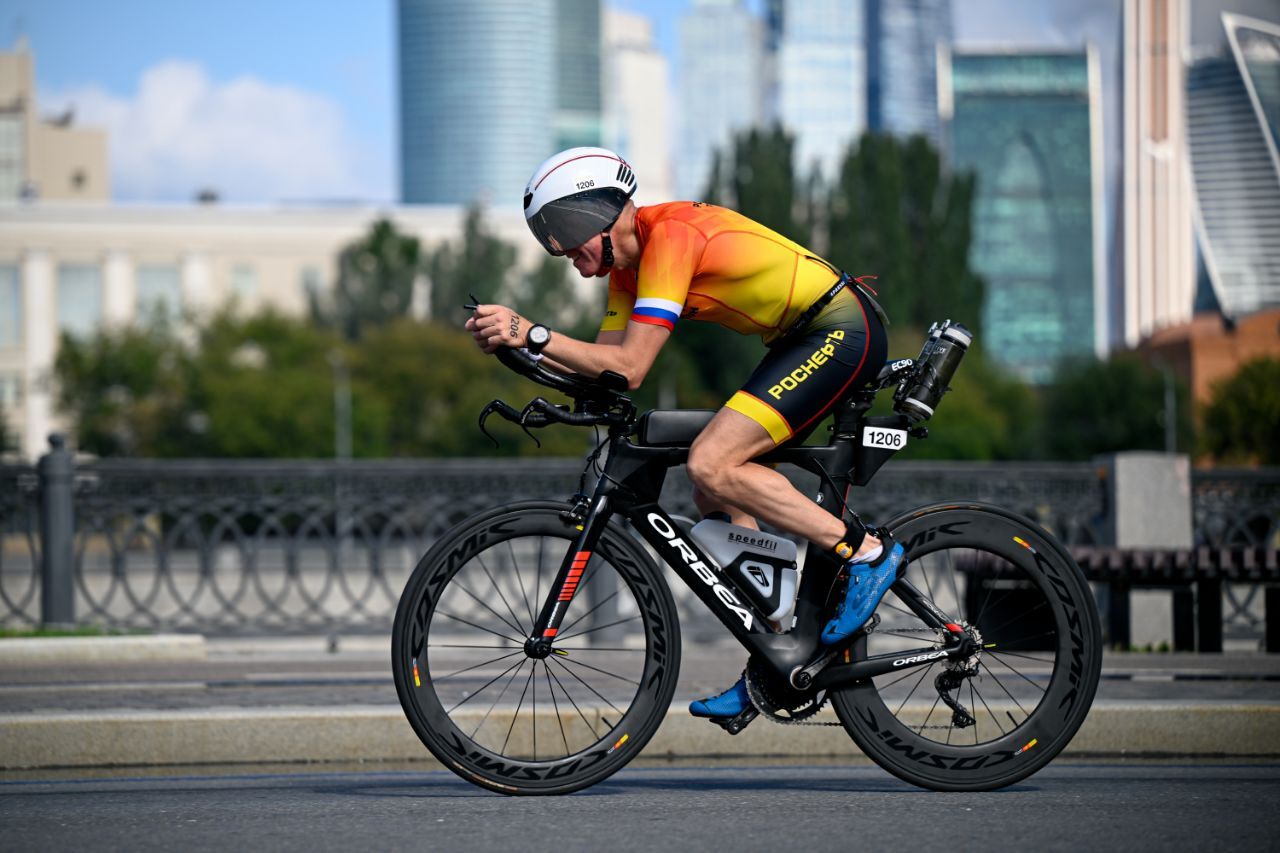
From his first triathlon workout to standing on the start line of a full Ironman, just 20 months had passed.
The biggest decision point: confidence in the swim cutoff. At the start, he couldn’t even swim freestyle. Cycling also started “from zero,” but progress came faster.
140,6 miles: A Reachable Milestone
To build confidence, Andrey completed three half-Ironman races — one in the first season and two in the second.
He skipped shorter races on purpose:
“Sprints and Olympics are about speed, and that’s a completely different training philosophy.”
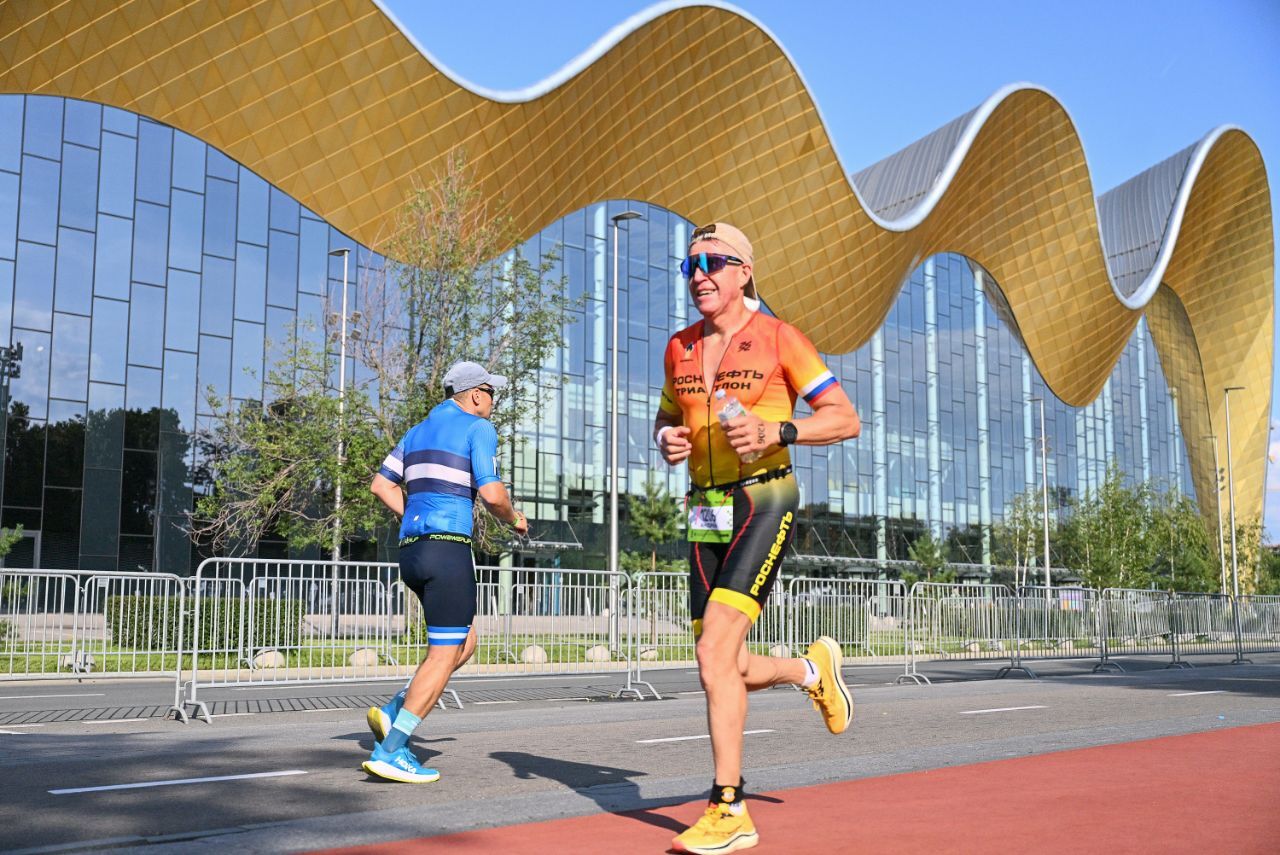
Each race brought invaluable lessons: listening to his body for hours, adjusting effort on the fly, and realizing that nutrition is the fourth discipline of triathlon.
Step by step, the 140,6 miles started to feel achievable.
Lessons Learned Along the Way
- Nutrition must be trained, not improvised. On race day he overdid carbs on the bike and started the run in agony — but remembered the veterans’ advice to “flush it out” and was able to recover.
- Choose interim races wisely. They should be at least 3–4 months before your A-race.
- A full Ironman ≠ two halves. The perception of time and load is completely different.
The Finish Line Feeling
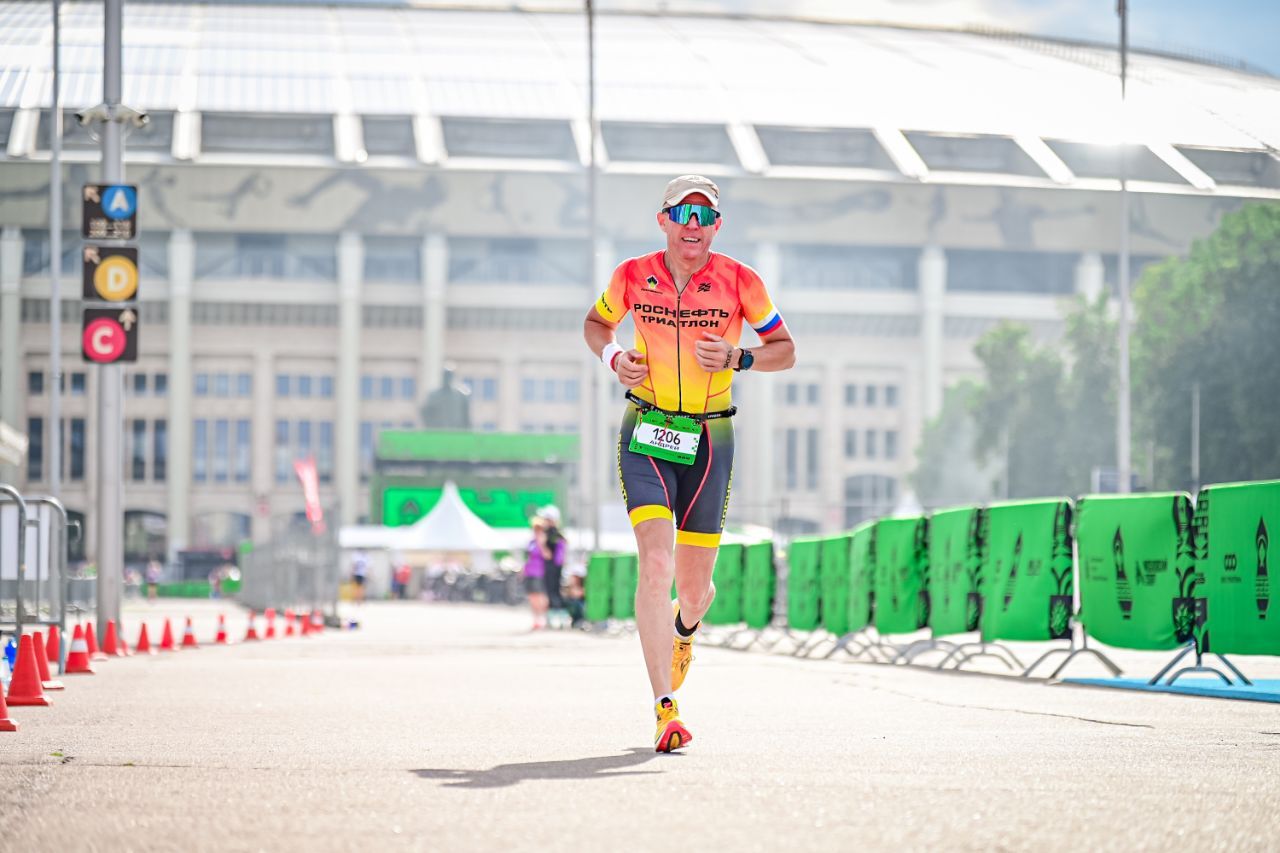
Crossing the finish line was pure joy. Not just because it was a PR — but because it was exactly the result he trained for.
“I held back just enough to make sure I wouldn’t blow up before the finish. That allowed me to add pace in the last kilometers and cross the arch with a smile. But in the end, I gave it everything I had.”
Why the Journey Matters Most
Andrey believes in the philosophy that the journey outweighs the destination.
Goals are essential — they give direction and motivation. But the everyday joy of training is far greater than the short-lived high of any finish line.
Three Tips for Aspiring Ironman Athletes
- Don’t rush. Start with half-Ironmans. They’re already tough and will teach you endurance and patience.
- Involve your family. Training eats up nearly all your free time. Without their support, it’s nearly impossible.
- Don’t mythologize Ironman athletes. They’re not superheroes. Just a bit more training, discipline, and time management.
What’s Next?
Inspired by Ironman finishers in their 60s, Andrey set a new long-term goal:
- Complete another Ironman at 60 — as a birthday gift to himself.
- Climb Mount Elbrus from the north or west route (“That’s not triathlon anymore, but still an adventure I want to live.”).
🚀 Final Word
From zero to full Ironman in 20 months, Andrey proved that with dedication, patience, and family support, the seemingly impossible can become reality.
— Andrey & OMY! Sports